

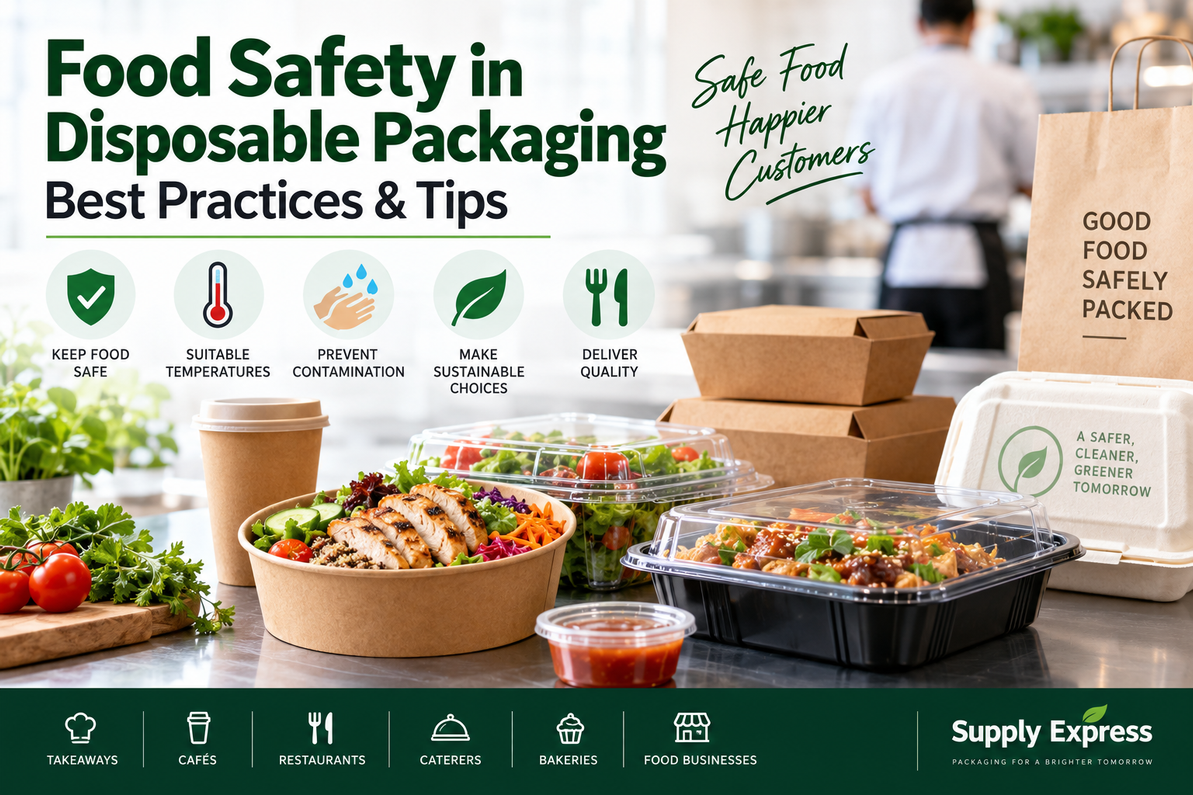
Disposable Food Packaging Safety | Best Practices
Food Safety in Disposable Packaging: Best Practices for Food Businesses
Disposable food packaging plays an essential role in modern foodservice. From restaurant deliveries and takeaway meals to bakery counters, cafés, catering events and grab-and-go food, the right packaging helps protect food from contamination, maintain its quality and ensure it reaches the customer in good condition.
But choosing a container simply because it fits the food is not enough. Food businesses also need to consider whether the packaging is suitable for direct food contact, whether it can safely handle the required temperature, how it should be stored before use, and whether the lid or closure provides adequate protection during transport.
In this guide, we explain the key food safety considerations when selecting and using disposable food packaging and provide practical advice for restaurants, cafés, takeaways, bakeries, caterers and other food businesses.
Why Food Safety in Disposable Packaging Matters
Packaging forms a physical barrier between food and the outside environment. When it is selected and handled correctly, it helps protect food from dirt, physical damage and unwanted contact during storage, display and delivery.
However, unsuitable, damaged or incorrectly used packaging can create unnecessary food safety risks. For example, a container designed for chilled food should not automatically be assumed to be suitable for very hot food or microwave reheating.
Good packaging practice therefore starts with choosing the right material and container for the intended food and its conditions of use.
1. Always Use Packaging Intended for Food Contact
Food businesses should use packaging that is specifically suitable for contact with food. Food-contact packaging is manufactured for this purpose and should meet the applicable requirements for the material concerned.
UK Government guidance advises businesses packaging food themselves to use packaging suitable for food use. Packaging may be identified as being suitable for food contact either through appropriate wording or the recognised glass-and-fork food-contact symbol.
Different materials can also be subject to specific requirements, particularly plastics. Your packaging supplier should therefore be able to provide appropriate product information or compliance documentation where this is required.
Using food-grade packaging is especially important when food will have direct contact with the container for an extended period or when the food is hot, fatty, acidic or moist.
2. Match the Packaging to the Food
There is no single type of disposable packaging that is ideal for every meal. The safest and most practical choice depends on the food being served.
Consider factors such as:
- whether the food is hot or cold
- how long the food will remain in the container
- whether the food contains sauces or liquids
- the amount of oil or fat in the meal
- whether the customer may reheat the food
- whether the food needs ventilation
- how far the order will travel
- whether the packaging will be stacked during delivery
For example, a chilled salad may be well suited to a clear container that offers excellent product visibility, while a hot curry or pasta dish may require a more robust container designed specifically for hot, moist foods.
Businesses serving a wide range of dishes can explore our hot and cold takeaway food packaging to choose containers according to the type of food being served.
3. Check Temperature Suitability
Temperature is one of the most important considerations when choosing disposable food packaging.
A container being described as food safe does not necessarily mean that it is suitable for every temperature or cooking method. Some containers are intended primarily for chilled or room-temperature food, while others have been designed for hot meals, microwave reheating or oven use.
Always follow the manufacturer's or supplier's instructions regarding:
- maximum and minimum temperatures
- microwave suitability
- oven suitability
- freezer suitability
- recommended contact time
Never assume that a clear plastic container is microwave safe simply because it appears strong. Likewise, packaging suitable for holding warm food may not necessarily be suitable for cooking or reheating that food.
Hot Food Packaging
For hot takeaway dishes, choose packaging specifically designed to withstand the temperature, moisture and weight of the meal. Secure closures are particularly important when serving curries, pasta, rice dishes, stews and other foods containing sauces.
Our leak-resistant cardboard and pulp food containers provide options for many hot and cold takeaway applications.
Cold Food Packaging
Cold dishes often benefit from packaging that provides good visibility while protecting the contents during storage and transport. Salads, fruit, desserts, nuts, deli products and chilled meal-prep dishes are examples where clear packaging can also improve presentation.
See our takeaway salad and cold food containers for packaging designed for chilled foodservice applications.
4. Keep Disposable Packaging Clean Before Use
Food-safe packaging can still become contaminated if it is stored incorrectly before it reaches the food.
Unused cups, boxes, trays, lids and containers should be kept in a clean, dry storage area away from chemicals, cleaning products, waste and possible pest contamination.
Where practical, keep packaging in its original protective wrapping or carton until it is required. Avoid leaving open sleeves of containers or lids exposed unnecessarily on preparation surfaces.
Staff should also avoid touching the internal food-contact surfaces of containers and lids wherever possible.
5. Inspect Containers and Lids Before Filling
Disposable packaging should be checked as part of normal food preparation procedures.
Do not use packaging that is:
- cracked or split
- visibly dirty
- badly distorted
- water damaged
- contaminated during storage
- unable to close or seal properly
This is particularly important for takeaway and delivery orders. A damaged rim or poorly fitting lid may increase the likelihood of leakage or accidental opening during transport.
6. Choose the Correct Container Size
Container size affects more than appearance and portion control. Choosing appropriately sized packaging can also make food easier to transport safely.
A container that is significantly too large can allow the contents to move excessively during delivery. Overfilling a container, on the other hand, can prevent the lid from closing correctly and increase the risk of leaks.
The ideal container should provide enough room for the portion while still allowing the lid to engage securely without compressing the food.
7. Use Secure Lids and Closures
For takeaway and food delivery, the lid is just as important as the base.
A well-fitting closure helps protect food during handling and can reduce the likelihood of spills, leakage and external contamination. Always check that lids are fully engaged around the entire container rather than pressing down only one side.
Liquids, dressings and sauces may require dedicated containers rather than being placed loosely alongside other foods. Our deli pots and lids include options for sauces, dressings, dips and smaller portions.
8. Reduce Cross-Contamination During Packing
Safe packaging cannot compensate for poor hygiene during food preparation.
Staff should follow the business's normal food safety procedures when filling and closing takeaway containers. Hands, utensils, work surfaces and equipment involved in the packing process should be kept appropriately clean.
Raw foods should be kept appropriately separated from ready-to-eat food, and packaging should not be placed on contaminated surfaces before being filled.
When several orders are being packed at the same time, having a clear system for separating meals can also help reduce mistakes.
9. Don't Forget Allergen Controls
Packaging also forms part of a food business's wider allergen-management procedures.
A container itself does not prevent allergen cross-contact if food has been prepared or packed using contaminated equipment or surfaces. Businesses therefore need procedures covering food preparation, utensils, packing areas and order identification.
Labelling requirements will depend on how the food is sold. In particular, food classified as prepacked for direct sale (PPDS) is subject to specific ingredient and allergen-labelling requirements.
If your business handles allergenic ingredients, packaging and labelling procedures should form part of your documented allergen controls.
10. Take Extra Care With Delivery Orders
Food delivery creates additional challenges because the packaged meal may be handled several times and travel for a significant period before reaching the customer.
For delivery orders, packaging should:
- close securely
- be appropriate for the temperature of the food
- support the weight of the portion
- resist leakage where sauces or liquids are involved
- stack safely where several meals are transported together
- protect the presentation of the food
Hot and cold items may also need to be kept separate during transport as part of the food business's temperature-control procedures.
11. Use the Right Packaging for Microwave Reheating
Meal-prep businesses, takeaways and caterers increasingly provide food that customers may want to reheat later.
If a meal is intended to be reheated in its original container, use packaging specifically identified as suitable for microwave use and provide customers with any relevant reheating instructions.
Do not describe packaging as microwave safe unless the particular product has been designed and specified for microwave use.
For businesses selling reheatable meals, our range includes takeaway food containers covering different hot, cold and reheatable food applications. Always check the individual product specification before use.
12. Consider the Food as Well as the Packaging Material
Different foods interact with packaging differently. Temperature is only one consideration.
High-fat foods, acidic foods, sauces and foods with a high moisture content can place different demands on packaging. This is why businesses should select containers according to their intended application rather than solely on appearance or price.
If you are uncertain whether a particular container is suitable for a specific food, ask the packaging supplier for the relevant product specification before using it.
13. Paper, Pulp, Bagasse or Plastic: Which Is Safest?
Food safety is not determined simply by whether packaging is made from paper, plastic or plant fibre. Properly manufactured food-contact packaging can be suitable when it is used for the application for which it was designed.
The more important questions are:
- Is it intended for food contact?
- Is it suitable for this type of food?
- Can it tolerate the required temperature?
- Does it provide sufficient strength and leak resistance?
- Does it close securely?
- Are the manufacturer's usage instructions being followed?
For businesses interested in fibre-based alternatives, our bagasse and pulp food packaging includes a range of containers for foodservice applications.
14. Sustainability Should Not Come at the Expense of Function
Many food businesses understandably want to reduce their environmental impact. Packaging made from paper, pulp, bagasse, recycled materials or recyclable materials can help businesses work towards their packaging objectives.
However, environmental claims should not be the only consideration when choosing food packaging. A container must still be appropriate for the food it carries.
The best choice is therefore one that balances food safety, functionality, portion size, transport requirements, customer experience and your environmental goals.
Recycling and disposal options can vary depending on the material, food contamination and the facilities available locally, so businesses should avoid assuming that every item will be accepted through every recycling system.
15. Cups and Drink Packaging Need the Same Attention
Food-contact safety is equally important for drinks packaging.
Hot coffee, tea and hot chocolate require cups designed for hot beverages, while smoothies, juices and milkshakes may use packaging intended specifically for cold drinks.
Lids should be correctly matched to the cup size and type. A lid that appears to fit but is designed for a different cup can come loose during handling and increase the risk of spills.
Explore our disposable cups, lids and takeaway drink packaging for hot and cold beverage applications.
A Practical Disposable Packaging Safety Checklist
Before introducing a new packaging product into your business, ask the following questions:
- Food contact: Is the packaging intended for direct contact with food?
- Food type: Is it suitable for the food being served?
- Temperature: Can it safely handle the required hot or cold conditions?
- Reheating: Is it specifically suitable for microwave or oven use if required?
- Closure: Does the lid fit securely?
- Leak resistance: Is it appropriate for sauces, dressings or liquid-rich foods?
- Size: Does the portion fit without overfilling the container?
- Storage: Can unused packaging be kept clean and protected?
- Condition: Is the container free from damage before filling?
- Supplier information: Do you have the relevant product specifications or compliance information?
Building these checks into purchasing and food preparation procedures can help businesses choose packaging consistently instead of making decisions only when an order is being packed.
Choosing Reliable Disposable Food Packaging
Good packaging should make foodservice easier, not create additional problems. The right container should protect the food, suit the serving temperature, close securely and remain practical throughout storage, preparation and delivery.
Supply Express stocks a broad range of disposable takeaway food packaging for restaurants, cafés, takeaways, bakeries, caterers, delis and other food businesses. Our range includes hot and cold food containers, cardboard and pulp boxes, microwavable containers, salad containers, cups and lids, deli pots, bakery packaging and other foodservice essentials.
When choosing packaging, always check the individual product specification to ensure that it is appropriate for your intended food, temperature and method of use.
Frequently Asked Questions About Food-Safe Disposable Packaging
What makes disposable packaging food safe?
Food-safe packaging is packaging intended and manufactured for food-contact applications. It should comply with the applicable requirements for the material and should be used within the conditions for which it was designed.
Can any plastic takeaway container be used for hot food?
No. Plastic containers vary considerably. Some are intended for chilled food, while others are designed for hot filling or microwave reheating. Always check the specification for the individual container before using it with hot food.
Can disposable containers be put in the microwave?
Only use a disposable container in a microwave when the manufacturer or supplier specifically identifies it as suitable for microwave use. Do not assume microwave suitability based only on the appearance or thickness of the container.
How should unused disposable food packaging be stored?
Keep unused packaging in a clean, dry area where it is protected from contamination, chemicals, moisture, waste and pests. Keeping packaging within its original protective wrapping until required can also help protect food-contact surfaces.
Can damaged takeaway containers still be used?
Containers that are cracked, dirty, contaminated or unable to close properly should not be used for serving food. Inspect containers and lids before filling them.
Is sustainable packaging automatically food safe?
No. Terms such as recyclable, recycled, compostable or plant-based describe characteristics of the material or its disposal route; they do not by themselves establish suitability for every food or temperature. Always check that the particular product is intended for your application.
What is the best disposable container for takeaway food?
It depends on the meal. Consider the food temperature, moisture and fat content, portion size, transport time, reheating requirements and whether a leak-resistant or ventilated container is needed. Choosing packaging according to the individual dish usually gives better results than using one container for an entire menu.
Final Thoughts
Food safety does not end when cooking finishes. The way food is packed, stored and transported is an important part of delivering a safe and professional takeaway or catering service.
Using food-contact packaging, selecting materials suited to the food and temperature, keeping unused containers protected from contamination and checking every container before use are simple practices that can make a significant difference.
By treating disposable packaging as part of your wider food safety system rather than simply a way to carry food, you can help protect your customers while improving presentation, delivery performance and the overall customer experience.
Recent Posts
-
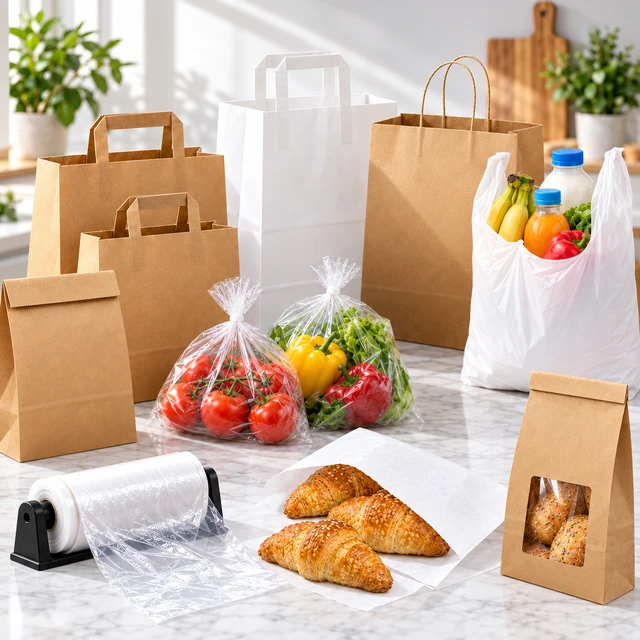
Takeaway & Food Bag Guide: Paper, Plastic & Polythene
How to Choose the Right Takeaway & Food Bags Choosing the right takeaway or food bag is not simply a … -
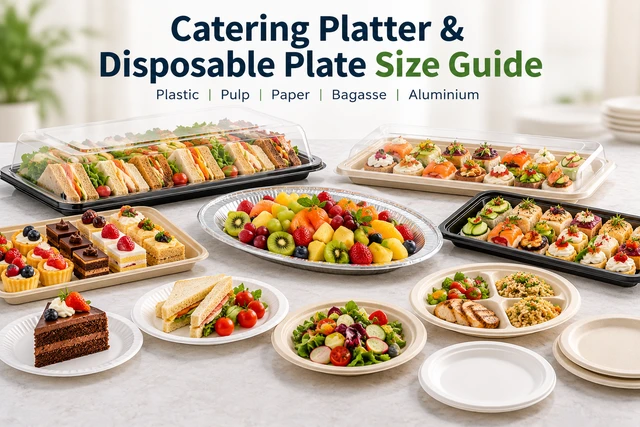
Catering Platter & Disposable Plate Size Guide
Plastic, Pulp & Aluminium Platters for Buffets, Bakeries & Catering Choosing the right catering plat …24th Sep 2026 -
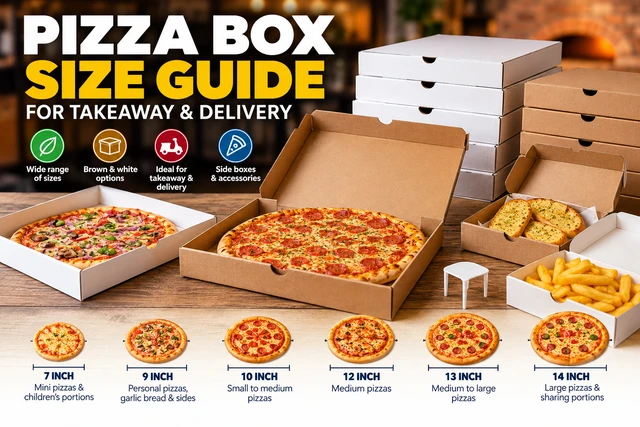
Pizza Box Size Guide for Takeaway & Delivery
7, 9, 10, 12, 13 & 14 Inch Pizza Boxes Explained Choosing the right pizza box size is about more tha …23rd Sep 2026